

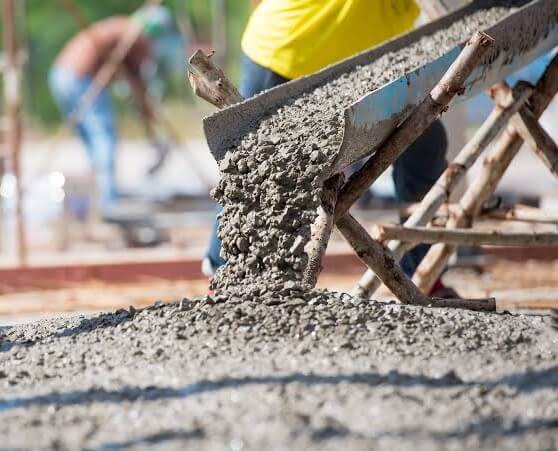
Know your mix. Understand how it behaves.
Adjust accordingly.
If a recent load has finished a little differently than you expected, whether creamier, stickier, or with less bleed water than usual, the cement in the mix may be the reason. Over the past several years, many ready-mix producers have shifted some or all of their supply to Type 1L cement, also known as Portland-Limestone Cement (PLC), and more crews are encountering it on the jobsite without always being told in advance.
Concrete may seem like a simple material, but every ingredient in the mix influences how it performs during placement, finishing, curing, and long-term durability. Aggregate, water, admixtures, and cement all play a role, and as Type 1L becomes more common, understanding how it differs from traditional Type I cement is increasingly useful for anyone specifying, ordering, or placing concrete.
Whether you’re pouring a stamped patio, a decorative driveway, a sidewalk, or a commercial slab, knowing what’s in the mix helps crews make informed decisions throughout the placement process, and helps property owners understand why their contractor may be working a bit differently than they’ve seen before.
Understanding Portland Cement
Modern Portland cement has served as the primary binding ingredient in concrete since the early 1800s. As cement technology evolved, manufacturers developed several cement classifications for different applications, but Type I Portland cement became the most common general-purpose cement used throughout North America.
For decades, contractors became familiar with its characteristics. They learned how quickly it gained strength, when bleed water would appear, how weather affected finishing, and how to adjust their techniques throughout the placement process.
That familiarity established expectations that many experienced finishers still rely on today.
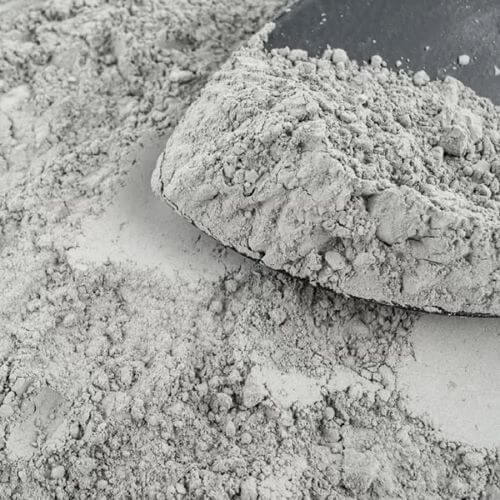
Why Was Type 1L Cement Introduced?
Type 1L cement was developed as an alternative formulation of Portland cement.
Instead of relying entirely on traditional Portland cement clinker, Type 1L replaces approximately 5 to 15 percent of the clinker with finely ground limestone, per the performance requirements established under ASTM C595 for Portland-Limestone Cement. This modification reduces the amount of clinker required during manufacturing while keeping hardened concrete performance in line with traditional mixes.
Although the manufacturing process differs slightly, Type 1L is intended for many of the same applications as traditional Type I cement.
What Makes Type 1L Cement Different?
While hardened concrete produced with Type 1L generally meets the same structural performance requirements as traditional mixes, contractors often notice differences during placement and finishing.
These observations can vary depending on the complete mix design, aggregate sources, admixtures, weather conditions, and placement practices. Some contractors have adjusted their techniques and prefer the change; others have simply adapted their timing and moved on. Neither response is wrong; the point is knowing what to watch for.
Workability Characteristics
Many contractors describe Type 1L concrete as having a creamier or slightly stickier consistency during placement. The additional finely ground limestone increases the amount of fine particles within the cement, which can influence how the concrete responds to hand tools and finishing equipment.
Because every mix design is different, contractors should avoid making water adjustments based solely on feel. Maintaining the specified water-to-cement ratio remains important regardless of the cement type being used.
Bleed Water
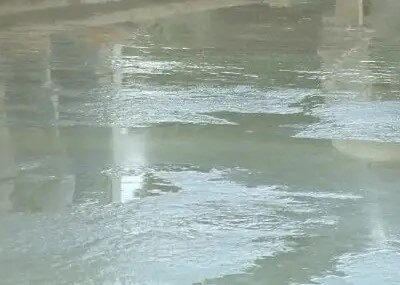
One of the more common field observations involves bleed water. Depending on the mix design, contractors may observe less bleed water than they are accustomed to seeing with traditional Type I cement. Since bleed water is one factor that influences finishing operations, crews should monitor surface conditions rather than relying solely on previous experience.
Environmental conditions such as temperature, wind, humidity, and direct sunlight continue to have a significant impact on surface moisture regardless of cement type.
Finishing Considerations
Decorative concrete relies heavily on timing.
Whether stamping, broom finishing, exposing aggregate, or creating textured finishes, contractors should base finishing operations on the condition of the concrete rather than the clock.
Because every mix design responds differently, it is important to evaluate each placement individually and adjust finishing practices as conditions change.
Common Field Observations
Contractors working with Type 1L concrete commonly report characteristics such as:
- A creamier or stickier consistency
- Differences in bleed water
- Changes in finishing windows
- Increased attention to surface moisture during placement
Not every contractor experiences the same results, and not every mix behaves the same way. Aggregate gradation, supplementary cementitious materials, chemical admixtures, water content, weather conditions, and individual producer mix designs all influence concrete performance.
Best Practices for Decorative Concrete with Type 1L
Many of the same practices that contribute to successful decorative concrete installations remain important regardless of the cement type being used.
Monitor Weather Conditions
Temperature, wind speed, humidity, and direct sunlight all influence surface evaporation and finishing conditions. Monitoring the environment before and during placement helps crews anticipate changing conditions.
Maintain the Specified Water-to-Cement Ratio
Adding water at the jobsite changes the intended mix design and can affect strength, durability, shrinkage, and surface appearance. Contractors should communicate with their ready-mix supplier if adjustments to workability are needed.
Evaluate Each Load
No two concrete loads are exactly alike.
Contractors should observe workability, surface moisture, and finishing characteristics throughout placement rather than assuming every load will perform the same.
Use Proper Curing Practices
Proper curing remains one of the most important steps in producing durable decorative concrete.
Following the project specifications for curing helps promote strength development, reduce moisture loss, and improve long-term performance.
The Bottom Line
Type 1L cement represents one variation of modern Portland cement used in today’s concrete industry. As more ready-mix producers incorporate it into their mix designs, contractors are likely to encounter it on a variety of residential and commercial projects.
Like every concrete mix, Type 1L has characteristics that may influence placement and finishing. Understanding those characteristics, along with the effects of weather, aggregates, admixtures, and water content, helps contractors make informed decisions on the jobsite.
Knowing what is in your concrete mix is not about preferring one cement over another. It is about understanding how the materials you are working with influence the finished product and adjusting your practices to achieve consistent, high-quality results.
Type 1L Frequently Asked Questions
Is Type 1L cement weaker than Type I cement? No. Type 1L is manufactured to meet the same performance requirements under ASTM C595 as traditional Portland cement. Hardened strength is comparable when the mix design is followed correctly.
Will my ready-mix supplier tell me if they’ve switched to Type 1L? Not always, and not every producer discloses it by default. If you want to know what’s in a specific load, ask your supplier directly. Most can tell you which cement type is used in their standard mix designs.
Does Type 1L cost more or less than Type I cement? This varies by producer and region. Because Type 1L uses less clinker, some producers pass along a modest cost difference, but pricing is not consistent industry-wide.
Does Type 1L change my finishing schedule? It can. Some contractors report a shorter or different bleed-water window, which shifts the timing for stamping, brooming, or exposing aggregate. Base finishing decisions on the condition of the slab rather than a fixed clock, regardless of cement type.
Can I request Type I instead of Type 1L for my project? In many cases, yes, though availability depends on your local ready-mix producer. If a project specification calls for a particular cement type, communicate that with your supplier before the pour.
What Issues Is Type 1L Cement Having in the Midwest? Check out the observations from contractors of 515 Decorative Concrete Supply in the article “What Issues Is Type 1L Cement Having in the Midwest?”