

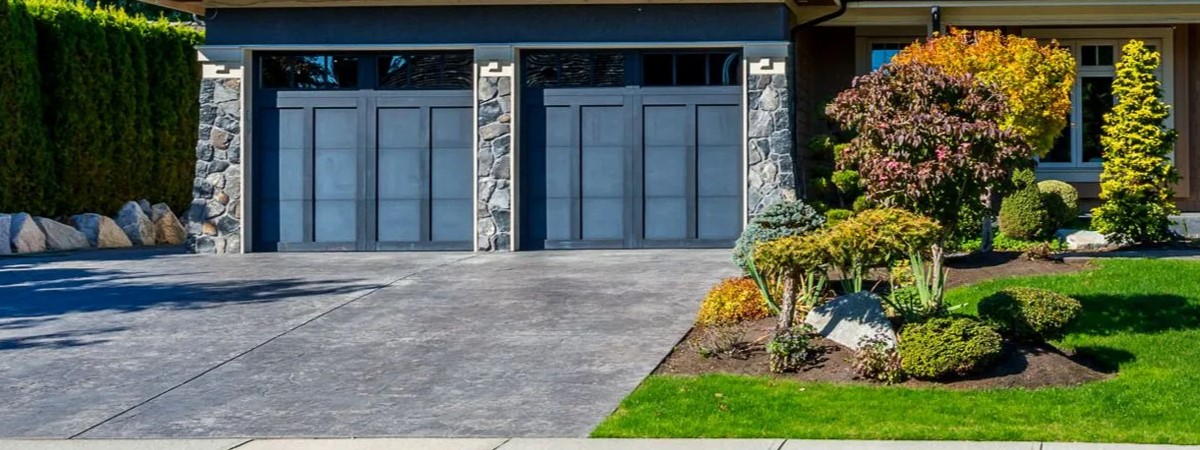
Concrete MIXES haVE always evolved
New materials, changing specifications, improved technologies, and advances in production methods have helped the concrete industry continue moving forward. These changes are part of progress, but they also create new challenges for the contractors responsible for turning concrete into a finished surface.
Across the Midwest, decorative concrete contractors are navigating a changing landscape. They are being asked to deliver the same high-quality results their customers expect while working with modern concrete mixes that may behave differently than the materials they have relied on for years.
The challenge is not that concrete has changed. It is understanding those changes well enough to make confident decisions on the jobsite.
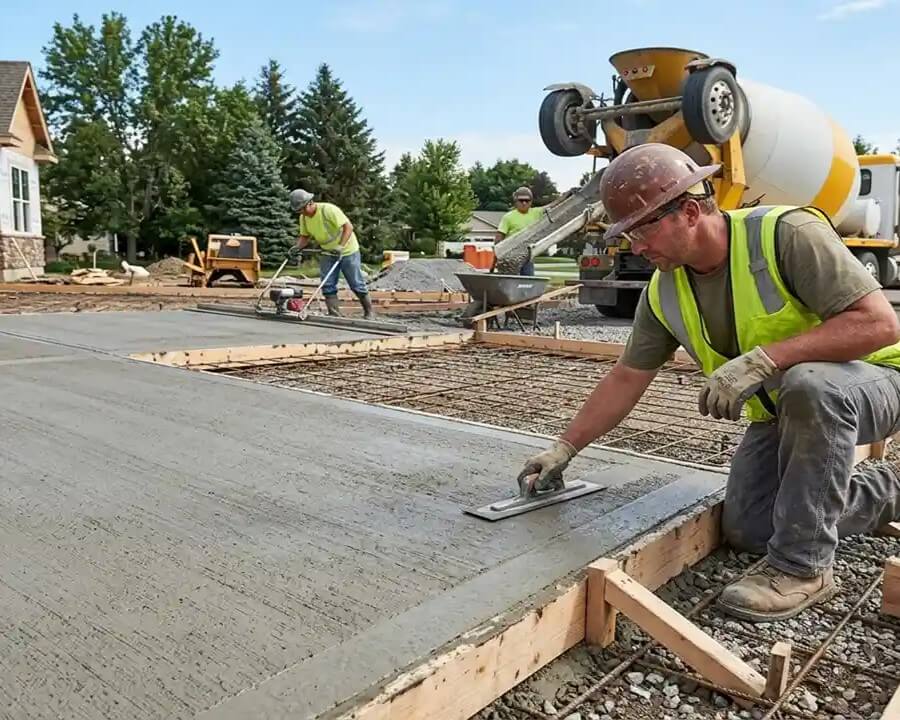
Change Creates Questions
Experienced decorative concrete contractors understand that every pour is different. Weather conditions, aggregate sources, admixtures, water content, placement techniques, and finishing practices all influence the final result. Successful contractors have always adapted to those variables through experience, observation, and skill.
However, many contractors have noticed that today’s concrete mixes may not always respond the same way as the mixes they worked with in the past. A familiar finishing timeline may change. The surface may respond differently during placement. A mix that performs well on one project may require adjustments on another.
These differences do not necessarily point to a single cause. Concrete performance is the result of many factors working together. But when contractors are responsible for producing a consistent decorative surface, unexpected changes can create significant challenges.
Why This Matters More in Decorative Concrete
All concrete requires proper placement, finishing, and curing. Decorative concrete, however, adds another level of complexity because the surface itself is the finished product. A stamped patio, decorative driveway, colored concrete project, or exposed aggregate installation is judged by appearance as well as performance.
- Timing matters
- Surface moisture matters
- Finishing decisions matter.
A small difference during placement can become highly visible once the project is complete.
When a decorative concrete project does not perform as expected, the impact extends beyond the material itself. Contractors may face additional labor, repair costs, scheduling challenges, and difficult conversations with property owners.
That responsibility is why understanding modern concrete behavior has become increasingly important.
Type 1L Cement: One Example of a Changing Industry
One of the most noticeable changes many contractors have encountered is the increased use of Type 1L Portland-Limestone Cement (PLC).
As discussed in our previous article, Type 1L was developed as an alternative formulation of Portland cement and is designed to meet established performance requirements. The transition was not intended to reduce concrete quality.
However, whenever materials evolve, contractors naturally have questions about how those changes may affect placement, finishing, and long-term performance.
Across the Midwest, conversations surrounding Type 1L often focus on topics such as:
- Differences in bleed water
- Changes in workability
- Adjustments to finishing windows
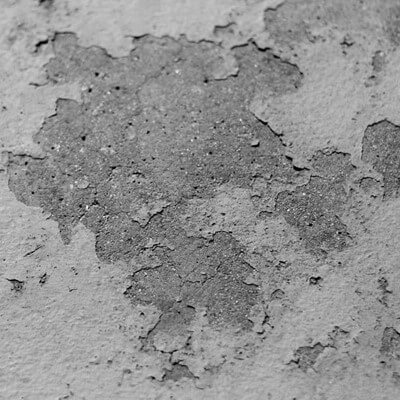
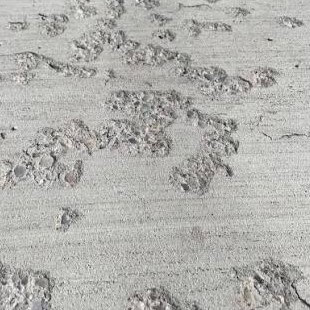
- Surface performance concerns
- How to prepare crews for changing mix characteristics
These conversations are important, but Type 1L is only one part of the larger picture.
The complete mix design, aggregate sources, admixtures, weather conditions, curing practices, and finishing techniques all influence the final outcome.
The Midwest Adds Another Layer of Complexity
Concrete placement in the Midwest comes with unique challenges.
Contractors work through unpredictable spring weather, hot summer conditions, changing fall temperatures, and freeze-thaw cycles that test decorative concrete surfaces year after year.
A cool morning can quickly become a hot, windy afternoon. A placement that appears straightforward at the beginning of the day can require significant adjustments as conditions change.
Because of these challenges, Midwest contractors have always relied on experience and adaptability. Today, those skills remain just as important—but they must be combined with a better understanding of the materials being placed.
The Need for Better Information
One of the most common themes among contractors is the desire for more information before the first truck arrives.
Contractors want to understand the concrete they are working with and how it may perform under the conditions of that specific project.
Questions that may help improve communication include:
- What cementitious materials are included in the mix?
- Has the mix design changed from previous projects?
- Are supplementary cementitious materials being used?
- Are there characteristics crews should anticipate during placement?
- What conditions should be monitored throughout the pour?
These questions are not about assigning responsibility.
They are about preparation.
The more information contractors have before placement begins, the better equipped they are to make informed decisions when conditions change.
A Shared Challenge Requires Collaboration
The evolution of modern concrete mixes affects everyone involved.
Ready-mix producers continue working through changing materials, availability challenges, specifications, and customer expectations. Manufacturers continue developing products and technologies designed to improve concrete performance.
Decorative contractors continue adapting their skills to produce the finished surfaces their customers expect. Each group plays an important role.
The solution is not about identifying who is responsible for change. The solution is creating better communication and education throughout the industry.
Moving Forward Through Education
The fundamentals of decorative concrete have not changed. Successful projects still require proper preparation, experienced craftsmanship, attention to conditions, and quality materials.
What has changed is the need to better understand how modern concrete mixes behave.
As the industry continues to evolve, education becomes one of the most valuable tools available to contractors. Sharing knowledge, discussing field experiences, and asking better questions before the pour begins can help reduce surprises and improve consistency.
The goal is not to eliminate change. The goal is to understand it.
By continuing to learn together, contractors, producers, manufacturers, and suppliers can help ensure that modern concrete mixes continue to produce the durable, attractive decorative surfaces customers expect.
In our next article, we will explore restoration options that may help extend the life and appearance of existing concrete without immediately resorting to replacement.